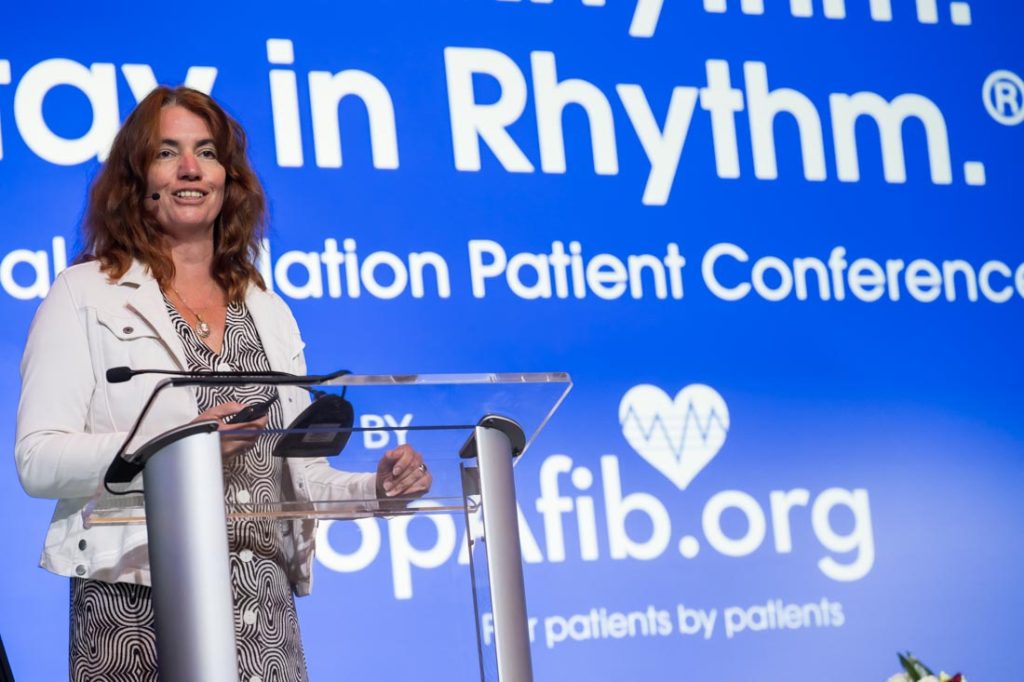

StopAfib.org had the great privilege of participating in the launch of the Global Atrial Fibrillation Patient Charter and the Sign Against Stroke in Atrial Fibrillation campaign at the World Congress of Cardiology in Dubai. To learn more about this independent patient charter, which StopAfib.org participated in developing, and to sign the charter, see: Global Atrial [...]
Doctor Dos and Don’ts in Communicating with Afib Patients
As the founder of StopAfib.org, I have heard from thousands of atrial fibrillation patients who have shared their afib experiences with me. For so many of us, the diagnosis and treatment of afib is confusing and scary. To improve communication between patients and their health-care providers, and ultimately, provide better care, I recently shared with [...]
Atrial Fibrillation Patients Needed for Study of Fish Oil Supplements
We have received word of a study at Vanderbilt University to determine if fish oil supplements decrease afib. Below is the info they sent in case you are interested in participating and are in the Nashville, Tennessee area… Recruiting Patients with Atrial Fibrillation We are recruiting patients with atrial fibrillation to participate in an NIH-sponsored [...]
Paid Study for Atrial Fibrillation Patients Who Have Had Cardioversion
watchLAB is hosting a market research study in Los Angeles, Pittsburgh and Seattle with Atrial Fibrillation patients who have experienced both chemical (IV) and electrical cardioversion, preferably in the past 2 years. If you qualify, you will be invited to participate in a one hour interview or a small 1.5-hour group discussion to share your [...]
CHADS2 Scores May Understate Atrial Fibrillation Stroke Risk
New research from Denmark shows that CHADS2 underestimates stroke risk. In the study, atrial fibrillation patients who were at intermediate risk with the CHADS2 scoring system had more than twice the stroke rate of those defined by the enhanced CHA2DS2-VASc tool as being at intermediate risk. While CHADS2 deemed 32.3% of patients to have intermediate [...]
If Catheter Ablation Reduces Alzheimer’s Disease and Stroke Risk Then Keeping Atrial Fibrillation Patients in Sinus Rhythm May Become the Goal
Findings presented at Heart Rhythm 2010 showed that stopping atrial fibrillation—whether through medication, surgery, or in the case of this study, catheter ablation— could potentially prevent the risk of developing Alzheimer’s disease and other dementias and also reduce the risk of stroke and death. Doctors John D. Day, MD, and T. Jared Bunch, MD, at [...]